Budget Car Rental Accident Claims in California: Step-by-Step Guide
Every day, thousands of accidents occur on California's roads due to a single moment of carelessness. Some people
narrowly escape injury, some lose a limb, some suffer broken bones, some lose their eyesight, some lose their memory,
and some even lose their lives. That is why any road accident is an extremely terrifying experience for any one of us.
This experience can become even more horrifying when you are involved in an accident with a vehicle like a Budget car
rental. A Budget rental car accident simultaneously gives rise to three separate claims: a vehicle damage claim, a
third-party claim, and a personal injury claim. All three of these claims follow completely different processes. If
you wait on one and miss another, you could end up losing thousands of dollars.
That is why in today's article, we will explain all three claims in depth and try to understand: what are Budget's LDW
and DW? How protected are you without LDW? When does Supplemental Liability Protection (SLP) come into play? What
information is needed when filing a claim with Budget and how do you actually file one? How does each claim work,
where can Budget trap you, and how can you protect yourself? We will explain everything in detail. Let's get started…
What Are Budget's LDW and DW?
When standing at the counter to rent a Budget vehicle, you will be presented with two offers: Damage Waiver (DW) and
Loss Damage Waiver (LDW). Most people decline both to save money. However, when an unfortunate accident does occur, it
becomes clear just how costly that decision was.
One point must be clearly understood: neither LDW or DW is insurance. Both are contractual waivers. Insurance is
governed by the rules of an insurance company. A waiver, on the other hand, is subject solely to the terms of Budget's
rental agreement, and if those terms are violated, the waiver becomes void.
If you purchase LDW at the time of rental and have not violated any condition of the rental agreement, Budget loses
the right to demand repair costs from you in the event the vehicle is damaged, stolen, vandalized, or overturned.
However, the LDW will be voided if you drive under the influence of alcohol, if someone not authorized under the
rental agreement drives the vehicle, if you drive off-road or in prohibited areas, or if the vehicle is used for any
unlawful activity.
For example, suppose you purchased LDW at the time of rental. Out of frustration with traffic, you take the vehicle
off-road, where it falls into a pothole and the axle breaks. The budget will cancel the LDW and the entire repair bill
will fall on you, because compliance with the terms of the agreement is mandatory in order to receive waiver
protection.
How Protected Are You Without LDW?
Without LDW, Budget can demand up to the full market value of the vehicle in the event of an accident. However, the
matter does not end with repair costs alone. Budget charges three additional fees that most renters are unaware of:
Loss of Use
For every day the vehicle is under repair, Budget will charge you the daily rental rate for that vehicle. The rationale is that while the car is in the repair shop, Budget cannot rent it to anyone else and therefore suffers a loss of income. In other words, if the daily rental rate for a mid-size vehicle is $80 and repairs take 10 days, the Loss of Use charge alone, apart from repair costs, would amount to $800.
This charge is entirely lawful in California. However, it can be challenged. The budget must prove that there was
actual demand for that specific vehicle during that period. If Budget's lot was full of available vehicles and demand
was low at the time, there is an opportunity to reduce the Loss of Use charge.
Diminished Value
Even after a vehicle is repaired following an accident, its market value decreases. Compared to an accident-free vehicle, a previously damaged vehicle sells for less. This difference in value is known as Diminished Value.
Under California law, the Budget may claim this loss from you as well. However, to calculate this charge, the Budget
is required to submit a proper Diminished Value Appraisal. If only an estimated figure is provided without supporting
documentation, you have grounds to object.
Administrative Fee
This is Budget's internal processing cost. They add a fixed fee to the bill to cover claim management. The amount
typically ranges from $50 to $300; however, if it is not clearly stated in the rental agreement, this charge is also
contestable.
When Does Budget's Supplemental Liability Protection (SLP) Apply?
The Budget's Supplemental Liability Protection primarily serves to protect third parties. It comes into effect when
another person's vehicle is damaged or someone is injured due to your fault.
Under California law, Budget, as a rental company, is legally required to provide renters with minimum liability
coverage. California's minimum liability limits are as follows:
Type of Damage |
Minimum Coverage |
Bodily injury to one person |
$15,000 |
Bodily injury to multiple persons |
$30,000 |
Property damage |
$5,000 |
In real-world accidents, however, these limits are often insufficient. In a serious accident, medical expenses alone
can reach hundreds of thousands of dollars. Purchasing SLP can increase this coverage to up to $1 million per incident
in certain cases. It is important to note, however, that SLP only works to protect third parties. If you yourself are
injured, SLP will be of no benefit to you.
What Information Is Needed When Filing a Claim with the Budget?
Budget's claims line: 1-800-551-5998. This is not general customer service; it connects directly to the claims
department.
Per the rental agreement, reporting a claim within 24 hours of the accident is mandatory. Failure to do so gives
Budget the ability to take two actions: (1) cancel the LDW protection, and (2) treat the incident as a breach of
contract, thereby increasing your total financial liability.
When filing a claim with Budget, have the following information readily available:
Rental agreement number
Vehicle VIN number (located in the lower-left corner of the dashboard)
Vehicle license plate number
Exact date, time, and location of the accident
Police report number and the name of the responding officer
The other driver's name, license number, and insurance information
-
Names and phone numbers of any witnesses
What not to do when calling Budget: do not admit fault, do not estimate the extent of the damage yourself. Provide
only factual information. At the end of the call, Budget will provide a claim number. No further communication is
possible without this number. Record the date and time of the call, the representative's name, and a brief summary of
the discussion.
In addition to the phone call, submit a written notice at budgetdirect.com. This creates a timestamped record that can
prove valuable at a later stage.
Budget's Damage Bill: Where Can You Raise Objections?
The budget's detailed bill typically arrives weeks or even months after the accident. This bill generally contains four components: repair costs, Loss of Use, Diminished Value, and an Administrative Fee.
The budget is legally required to provide a detailed breakdown of each charge. A single total figure is not
sufficient. You should request the actual repair invoice rather than accepting an estimated number. Ask for the daily
rate and the number of repair days used to calculate the Loss of Use charge. Request the Appraisal report used to
determine the Diminished Value.
Where to raise objections:
First, verify the vehicle's VIN number. Check whether the VIN on the bill matches the VIN on your rental agreement. This error is rare but does occur.
Second, compare the repair details against the photographs you took. The budget sometimes includes pre-existing damage
in a new claim. You have every right to dispute charges for damage that does not appear in your photographs.
Third, cross-reference the number of Loss of Use days with the repair shop's records. The budget frequently claims
more days than the actual repair time. Obtain the start and end dates of the repair work from the shop.
How to raise an objection:
Send a formal objection letter via registered mail. Include the claim number in the very first line of the letter. Identify each disputed charge separately and clearly state why that charge is unsupported. Attach photographs from the scene, the original rental agreement, and any relevant repair records. Objections made by email or verbally leave no verifiable record. Only an objection sent via registered mail carries legal weight.
Activate Your Personal Insurance and Credit Card Coverage Simultaneously
Budget's claims team protects Budget's interests. To protect your own interests, you must activate your own coverage
at the same time. In California, most personal auto insurance policies extend to rental vehicles. However, "most" does
not mean "all." Check the Declarations Page of your policy to see whether Rental Car Coverage is listed separately. Do
not assume anything without written confirmation.
When contacting your insurer, you should have the following on hand:
Policy number
Budget claim number
Police report number
-
The other driver's insurance information (if applicable)
Once your insurance is activated, the insurer will communicate directly with the Budget regarding the damage. This
means you will not have to negotiate repair costs with the Budget on your own.
Credit Card Benefits:
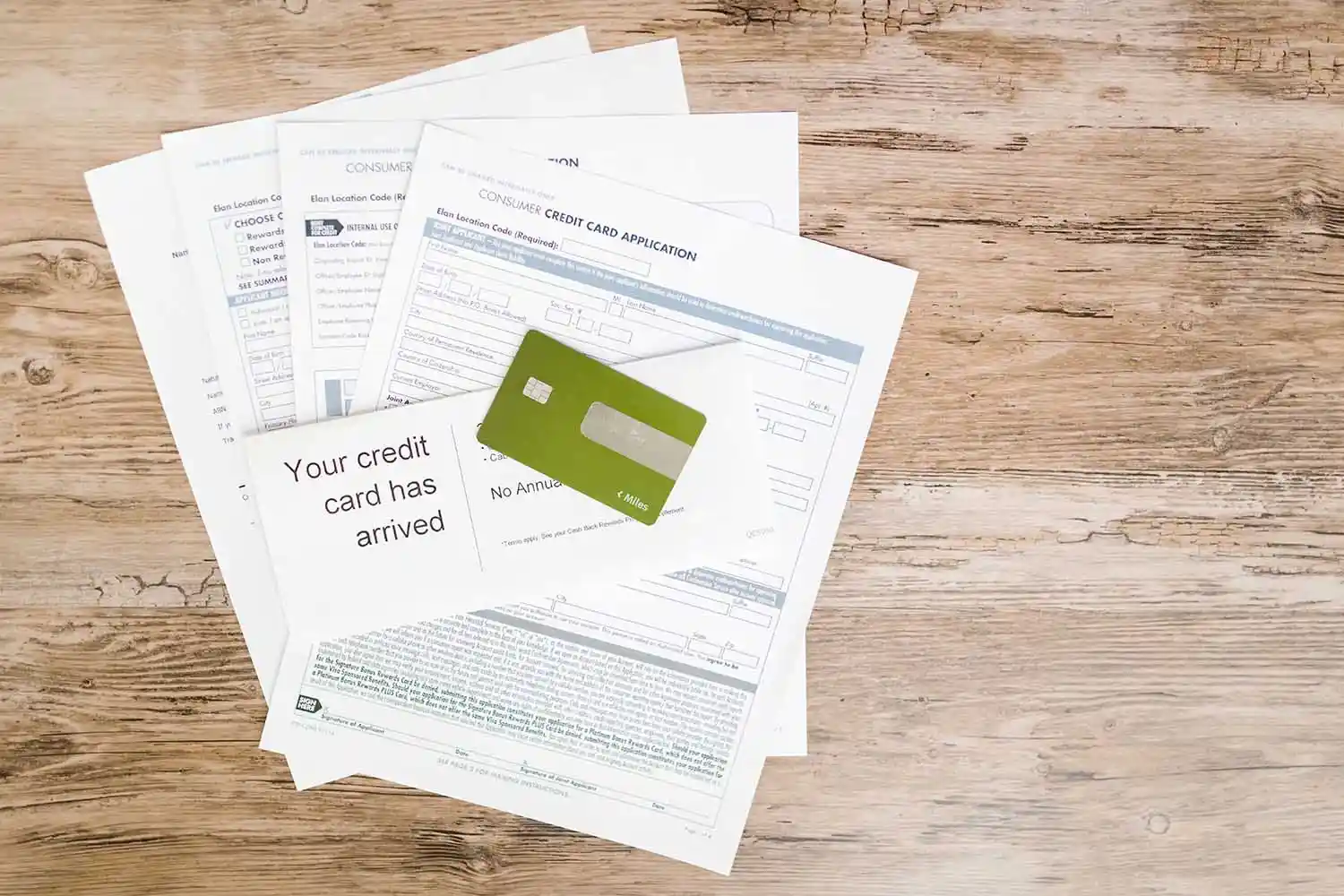
Cards such as Visa Signature, Mastercard World, and American Express Gold/Platinum typically include an Auto Rental Collision Damage Waiver benefit. The conditions for activation are:
The full rental must have been paid using that card
Budget's LDW must have been declined
-
A claim must generally be filed within 30 days, depending on the card
Credit card coverage is typically secondary, meaning your personal insurance applies first and the card covers the
remaining balance. However, some premium cards offer primary coverage, where the card's protection applies before
insurance.
Personal Injury Claim: Why It Is Entirely Separate
The most significant mistake arises from not understanding the personal injury claim. The budget's claims department
handles only vehicle damage. Your physical injuries, medical expenses, and lost wages are outside the scope of
Budget's claims process entirely.
In California, you may seek the following compensation in a personal injury claim:
Medical expenses
Hospital and rehabilitation costs
Lost income due to the accident
Compensation for long-term physical disability
-
Compensation for pain and emotional suffering
This claim may be filed against Budget, against the other driver, or against both parties, depending on whose
negligence caused the accident.
California follows the principle of Comparative Negligence. This means that if you are partially at fault, your
compensation will be reduced proportionally. For example, if you are found 30% at fault and the total damages amount
to $100,000, you would receive $70,000. The party whose negligence caused the accident is responsible for paying you
accordingly.
Conclusion
A Budget car rental accident simultaneously gives rise to three separate claims, each with its own distinct timeline
and process. Missing even one of them can result in the loss of thousands of dollars.
Keep in mind that the Budget's claims department does not act in your interest. Therefore, report the accident
immediately, gather all evidence, activate your insurance and credit card coverage, and carefully verify every charge
the Budget presents.
If you have sustained serious injuries, consult an experienced personal injury attorney without delay. Taking the right steps is what ensures you receive the compensation you rightfully deserve.