Rear-Ended in California — What You're Owed and How to Claim It
Rear end collisions are a common type of car accidents in California. Sometimes they are dismissed as minor accidents
but the reality is different. Rear end crashes cause some of the most painful, long lasting and financially
devastating injuries a person can suffer. Here the at-fault driver owes you full compensation.
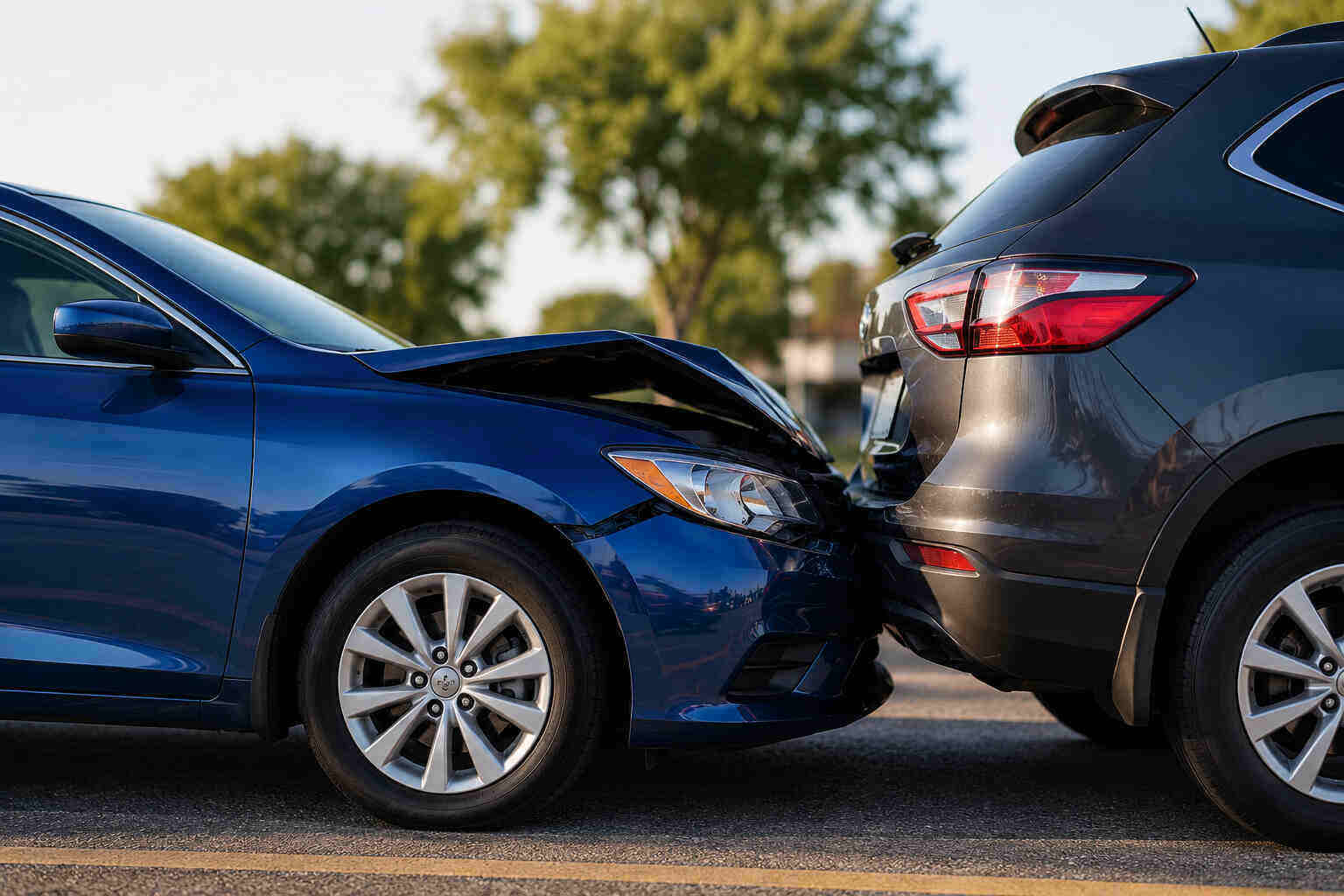
WHO IS AT FAULT IN A REAR-END ACCIDENT IN CALIFORNIA?
This is common sense that the driver who hit you from behind is at fault in most rear end accidents.
According to California Vehicle Code § 21703 every driver maintains a safe distance and enough space from the ahead
vehicle. When a driver rear-ends you, it could be said that they are following too closely or not paying sufficient
attention. This presumption of negligence is one of the strongest legal advantages an injured driver can have.
Also if the rear driver tailgating, distracted driving or running into your vehicle that is a big evidence of negligence per se.
Can you ever be partly at fault for a rear-end accident?
In some cases this is a yes but it's limited. Under California's pure comparative fault system the rear drivers
attorney or insurer may argue you to share partial fault if -
If your brake checked the driver behind you deliberately
If your brake lights were not functioning
If you reversed into their vehicles
If you made a sudden, unpredictable lane change in front of them
If you stopped illegally in a travel lane
Multiple car Rear End Cases
In multiple rear end accident cases fault is distributed among several drivers. Here which car started the
accident is mostly responsible. Your attorney will investigate and identify every source of compensation available to
you.
COMMON INJURIES FROM REAR END COLLISIONS WHICH ARE UNDERESTIMATED
In most rear end cases victims underestimate their injuries and settle the issues quickly. Don’t make that mistake. There are some symptoms which take hours or weeks to appear so you have to seek medical attention and report every symptom.
Neck pain, headaches, dizziness reports can compensate you $30k to $150k.
Radiating pain, numbness. Sometimes require surgery which can costs hundreds of thousands
Memory loss, mood change, concentration problem
Seatbelt bruising, fractures or airbag related damage
Lower back pain, anxiety, driving phobia
Here all are compensable.
MUST DO STEPS AFTER BEING READ ENDED
First thing is don't move your vehicle until police arrive, leave it as it is if it's safe to do so. The position of
the vehicle can tell the story of the crash.
Call 911 and get police to the scene. A police report is an official important document which is difficult for the
other driver to dispute later.
You feel ok or not immediately go for medical attention. Don't wait for it, do it on the same day. If you don't go
immediately, the insurance company can argue with you that the injury is not from this accident. Another thing is
don't miss any appointments after an accident too. Gaps in treatment can be used against you.
Photograph the scene, both vehicles, damages from multiple angles. Photograph the injuries too. If possible, take some
videos.
Get the drivers full information like full name, address, license number, license plate, insurance company and policy
number.
Collect witness information too. A witness who saw the driver's any fault like he is looking at phone or anything else
is invaluable.
Keep detailed information about your injuries like your pain levels, symptoms, emotional state every day. Note all
things like night sleep you lose, any event you miss actually any activity which you miss because of this accident.
All of those are important.
Don't repair your vehicle until it is properly documented and photographed or your attorney has reviewed the damage.
Report your insurance company even though the other driver is at fault. Your own MedPay and uninsured motorist
coverage may be valuable.
WHAT COMPENSATION YOU ARE OWED AFTER A REAR END ACCIDENT IN CALIFORNIA?
If you have no fault then you will get the full compensation of everything this accident affects in your life. Here is
a breakdown.
Medical Expenses:
Medical emergency room treatment, ambulance fees
X - Ray, MRIs, CT scans bill
Surgery
Physical therapy & rehabilitation
Future medical expenses like ongoing treatment, surgery, long time care needs
Lost income
Wages lost during recovery and medical appointments
Sick days consumed because of the accident
Bonuses, commissions, or self-employment income lost during recovery
-
Loss of future earning capacity if injuries affect your ability to work at the same level
Property damage
Full repair cost of your vehicle or fair market replacement value if it is totaled
Rental car costs while your vehicle is out of service
Any personal property damaged in the crash like phone, child safety seat, laptop, glasses
Pain and suffering
California allows injured accident victims to claim non economic damages for physical pain and emotional sufferings.
In serious injury cases, pain and suffering awards of $100,000 to $500,000 or more.
Emotional distress
Documented anxiety, depression, PTSD, and driving phobia are compensable. Keep records of any mental health treatment
and discuss psychological symptoms with your treating physician.
Loss of enjoyment of life
If your injuries prevent you from participating in activities you previously enjoyed like sports, exercise, travel,
hobbies, social events you can claim for those damages too.
Loss of consortium
If your injuries have negatively affected your relationship with your spouse or partner including physical intimacy,
companionship, and shared activities your spouse can file a separate claim for loss of consortium.
Punitive damages
If the driver who rear-ended you was drunk, drugged, or acting with extreme recklessness, California courts may award
punitive damages on top of your compensatory damages. These are uncapped and can substantially increase the total
value of your case.
HOW MUCH IS YOUR REAR END ACCIDENT CLAIM WORTH?
Actually it depends on the specific facts of your case. But here are the key variables that determine value and
realistic ranges based on injury severity.
Factors that increase your claim value:
Severity and permanence of your injuries
High medical bills and ongoing treatment needs
Significant lost wages or long-term career impact
At fault driver is drunk, distracted, or extreme speeding
-
Strong evidence like dashcam footage, witness testimony, clear police report
Factors that can reduce your claim value:
Minor injuries with full recovery
Pre-existing injuries to the same body parts
Gaps or inconsistencies in medical treatment
Partial fault assignment brake checking, non-functioning brake lights
Low insurance policy limits on the rear driver's policy
-
Inconsistent statements about the accident or your injuries
Minor rear end collision like soft tissue, mild whiplash, full recovery within weeks:
Typical range: $8,000–$35,000
-
Factors: limited treatment, minimal lost wages, no permanent injury
Moderate rear end collision like cervical or lumbar injury, herniated disc, several months of treatment:
Typical range: $35,000–$150,000
-
Factors: extended treatment, some lost wages, partial long-term impact
Serious rear end collision like spinal surgery, traumatic brain injury, permanent injury:
Typical range: $150,000–$1,000,000+
-
Factors: major surgery, long recovery, career impact, significant pain and suffering
Catastrophic rear end collision paralysis, severe TBI, permanent disability:
Typical range: $1,000,000–$5,000,000+
-
Factors: lifetime care needs, total career loss, profound life impact
Here the figures are general estimates for an accurate estimate you need an expert attorney. He will review your
medical records, lost income and other circumstances of your accident.
SOME CRITICAL DEADLINES
2 years: Personal injury statute of limitations California Code of Civil Procedure § 335.1 gives you exactly 2 years from the date of the accident to file a personal injury lawsuit.
3 years: If your claim is purely for vehicle damage with no bodily injury component, you have 3 years to file a claim.
6 months: If a government vehicle, government employee, or dangerous road condition caused or contributed to your
rear-end accident, you must file a formal government tort claim within 6 months of the accident. After that time you
cant do it.
FREQUENTLY ASKED QUESTIONS
Is the rear driver always at fault in California?
Not always. If you brake checked the driver behind you, had non-functioning brake lights, or made a sudden
unpredictable lane change, you may share partial fault.
What if I have pre-existing neck or back problems?
You can still recover full compensation. California law follows the "eggshell plaintiff" rule which says the at-fault
driver must take you as they find you. An attorney and your treating physicians can document the difference between
your pre-accident baseline and your post-accident condition.
What if my injuries don't show up until days after the crash?
This is very common with whiplash, herniated discs, and concussions. Seek medical attention as soon as any symptoms
appear and tell your doctor the injury is related to your car accident. Document the timeline carefully. Delayed-onset
injuries are fully compensable with proper medical documentation.
What if the rear driver claims I cut them off?
This is a common defense argument. Your attorney will respond with physical evidence like your vehicle's damage
pattern, the point of impact, any available dashcam or traffic camera footage, and witness testimony. The physics of a
rear-end collision including where the damage appears on both vehicles typically tells a clear story about what
actually happened.
What if the rear driver's insurance denies my claim?
A claim denial is not the end. Your attorney can challenge the denial, present additional evidence, and if necessary file a lawsuit.