What Are the Legal Risks After an At-Fault Car Accident in California?
ausing a car accident is a stressful experience. And when you realize it was your fault, that stress multiplies even further. Questions about insurance, legal complications, and next steps start racing through your mind. Instead of panicking, you need to understand exactly what California law says and how much risk you are actually facing.
In today's blog, we will discuss what you should or should not do in the first few minutes after an at-fault accident, whether a lawsuit is possible, whether you will lose your license, whether you could go to jail, and when you should consult an attorney. Knowing all of these things in advance will help you protect yourself from further harm after an unexpected accident. Let's get started.
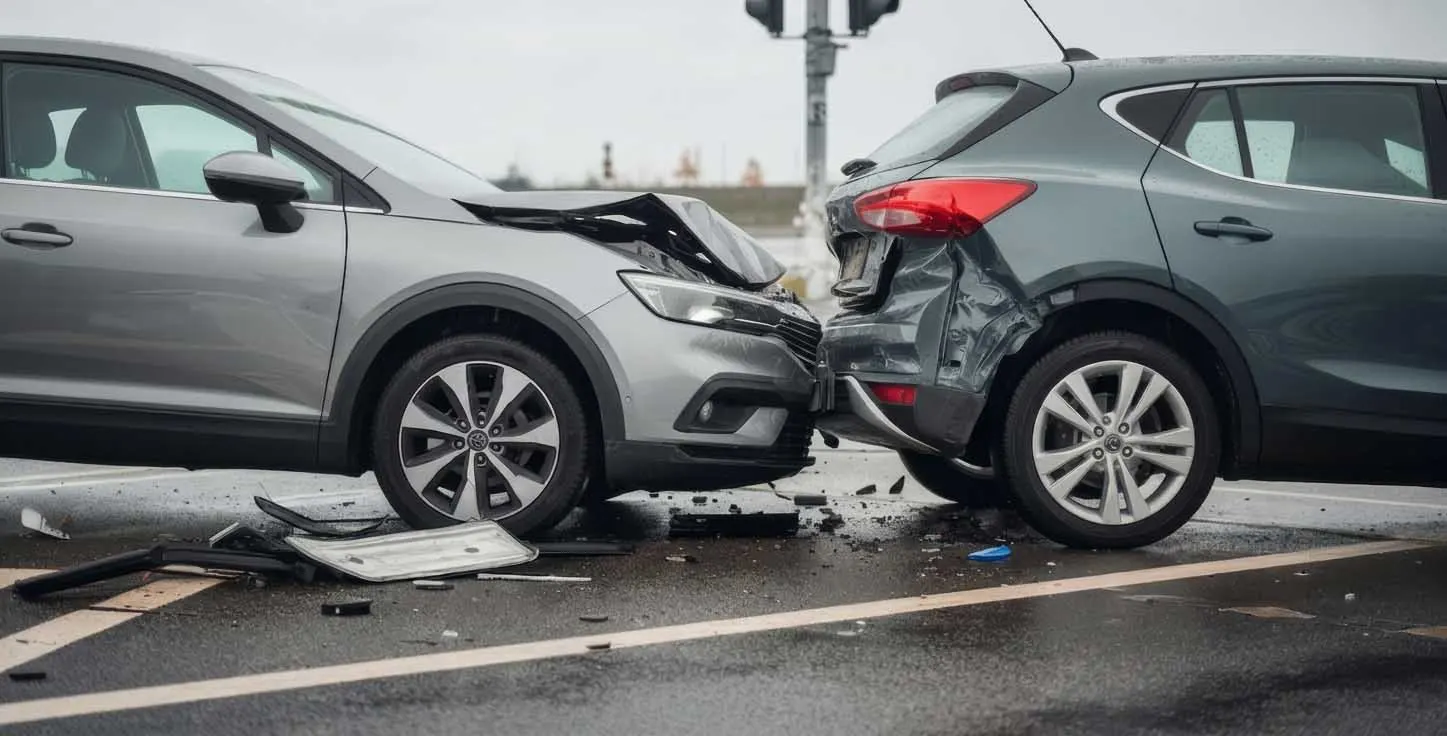
What Should You Do in the First Few Minutes at the Scene?
What you do in the moments immediately after an accident can determine your legal situation later. California law requires every driver to take certain mandatory steps after an accident occurs. So act very carefully in those moments and follow the steps below:
Stop your vehicle safely
No matter how minor the accident, stopping is mandatory. Driving away, even briefly, is considered a Hit-and-Run under California Vehicle Code § 20002. If someone is injured, it becomes a felony offense with a maximum penalty of up to 4 years in prison.
Assist the injured
Check yourself and others for injuries. Under California Vehicle Code § 20003, you are legally required to render aid to injured persons. Provide first aid if you are trained to do so. However, do not move a seriously injured person unless they are in immediate danger. Call 911 if necessary.
Exchange information
Share your driver's license, vehicle registration, insurance policy details, and phone number with the other driver.
Call the police
If anyone is injured, if there is significant damage, if any party appears intoxicated, or if there is any dispute, immediately call emergency services to summon the police and an ambulance. A police report can protect you later.
Report to the DMV
If there is an injury, death, or property damage exceeding $1,000, you must file an SR-1 form with the California DMV within 10 days of the accident. Failure to do so may result in license suspension.
Take photos and videos
Document the vehicle damage and surrounding environment with photos and videos, which will be valuable for insurance claims and legal proceedings later.

Legal Risk 1: Will There Be a Lawsuit After an At-Fault Car Accident?
A lawsuit is possible after a car accident in California. California is an "at-fault" state, meaning the driver whose negligence caused the accident is legally liable for all resulting damages. If you suffer any losses, you can file a lawsuit seeking compensation for injury or property damage. Likewise, the other driver can also file a lawsuit against you.
How Does Civil Liability Work?
California is a fault-based state, meaning the driver responsible for the car accident is financially liable for the other party's losses. This civil liability is primarily determined based on negligence, and compensation is governed by the Pure Comparative Negligence rule. Four elements must be proven to succeed in a lawsuit against you:
- You had a duty to drive safely
- You breached that duty
- Your negligence directly caused the accident
- Real damages resulted, whether physical, financial, or property-related
How the key elements work:
- Fault and Liability: Under California Civil Code § 1714, every driver has a responsibility to operate their vehicle safely so as not to injure others or damage their property. Those who violate traffic laws or act negligently are liable for medical expenses, vehicle damage, lost wages, and emotional distress.
- Pure Comparative Negligence: More than one party can share fault in an accident. In California, even if you are only 10% at fault, you can still seek compensation. However, your recovery will be reduced proportionally to your degree of fault.
- Insurance Coverage: The at-fault driver's liability insurance covers the other party's damages. California requires all drivers to carry minimum coverage of $15,000 per person for injury or death, $30,000 for multiple injured persons, and $5,000 for property damage.
- Personal Liability: If damages exceed your policy limits, the injured party may file a lawsuit against your personal assets to recover the remaining amount.
What Can the Injured Party Claim?
Economic Damages
- Emergency medical treatment, surgery, and hospital bills
- Future medical expenses
- Lost earning capacity
- Vehicle repair or replacement costs
Non-Economic Damages
- Physical pain and emotional suffering
- Loss of enjoyment of life
- Permanent disfigurement or scarring
- Impact on relationships (Loss of Consortium)
Punitive Damages
If the accident was caused by drunk driving, street racing, or extreme recklessness, a jury may award additional punitive damages with no cap in California. This can be financially devastating.
2 years from the date of the accident for personal injury claims, and 3 years for property damage only. Once these deadlines pass, a lawsuit generally cannot be filed.
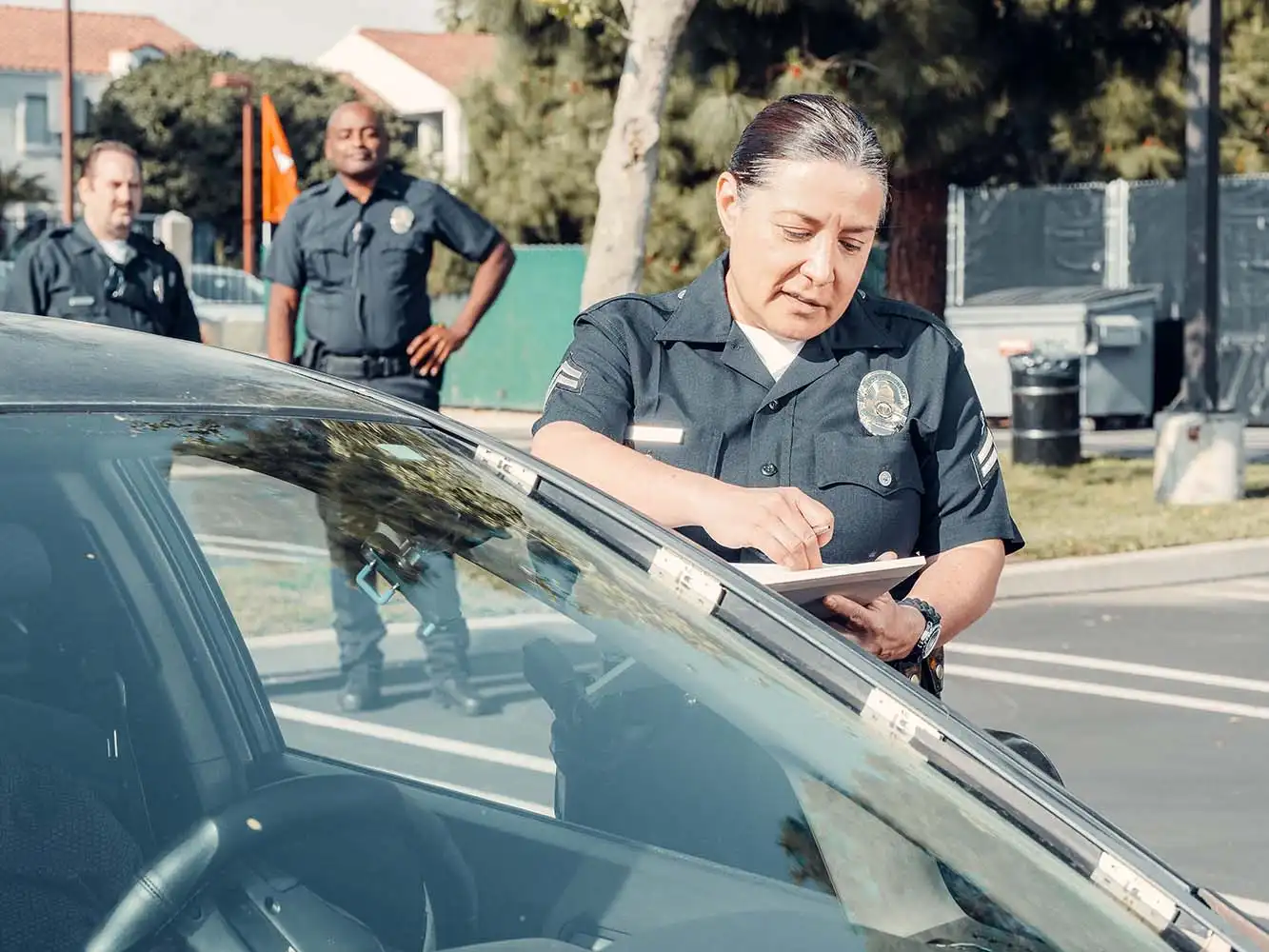
Legal Risk 2: Will You Lose Your License?
In California, your license is not always suspended or revoked after a car accident, but it can happen under certain specific circumstances.
Reasons your license may be suspended or revoked:
- No insurance: If you did not have the minimum required liability insurance at the time of the accident, your license can be suspended for up to 4 years, regardless of who was at fault.
- Failure to report the accident: If damages exceed $750 or if anyone was injured or killed, failing to report the accident to the California DMV within 10 days can result in a 1-year license suspension.
- Reckless driving: If evidence shows extreme negligence or reckless behavior on the part of the driver, the California DMV may suspend or revoke the license.
The DMV Hearing Opportunity
Many people are unaware that if you receive a DMV suspension notice, you have 10 days to request a hearing. Missing this window results in an automatic suspension. An attorney can fight on your behalf at this hearing.
Legal Risk 3: Will You Go to Jail?
In California, a simple accident caused by ordinary damage or mistakes does not typically result in jail time. However, if the accident is serious or results from a violation of the law, there is a possibility of going to jail.
Common reasons a driver may face jail time in California:
- Fleeing after injuring someone: If someone is injured or killed in an accident and the driver flees the scene, it is treated as a serious felony offense, which can result in several years in state prison or county jail. Even leaving the scene after property damage without exchanging information can lead to jail time.
- Driving under the influence (DUI): Causing an accident while drunk or under the influence of drugs, resulting in serious injury or death, can lead to lengthy prison sentences.
- Reckless driving: Driving in an extremely dangerous and reckless manner, beyond ordinary traffic mistakes, that causes an accident is considered a misdemeanor offense. The penalty can be up to 90 days in county jail.
- Vehicular manslaughter: If extreme negligence or a traffic law violation by the driver causes an accident that results in someone's death, it is classified as vehicular manslaughter. A conviction can result in 16 months to several years in state prison.
After any accident, your first priority should be to call the police and paramedics, and to exchange insurance and identification information with all involved parties.

When Should You Hire an Attorney?
After a car accident in California, you should hire an attorney as quickly as possible, ideally before speaking with your insurance company or signing any documents. Although the legal deadline for filing a personal injury claim is 2 years, acting quickly is critical to protecting your rights.
Situations where hiring an attorney quickly is essential:
- If you are injured: If you feel any pain, injury, dizziness, or physical discomfort after the accident, it is urgent to hire an attorney quickly.
- Insurance company pressure: If an insurance adjuster contacts you and pressures you to give a statement or recorded statement, it is urgent to hire an attorney quickly.
- Disputed liability: If another driver or party is trying to blame you, or partially blame you, when you were not actually at fault, it is urgent to hire an attorney quickly.
- Complex situations: If the accident involved a rideshare vehicle, commercial vehicle, government vehicle, or an uninsured driver, it is urgent to hire an attorney quickly.
Gathering evidence immediately after an accident and seeking legal help while witness memories are still fresh is always the smartest course of action. To learn more about this and to understand your legal options, you can read more blogs on injuryrights101.
Conclusion
If you cause a car accident in California, you may face three major legal risks, namely, a civil lawsuit, license suspension, and criminal penalties. However, taking the right steps can significantly reduce those risks. After an accident, do not flee the scene. Stop, exchange information, call the police, and report the accident to the DMV on time. Consult an experienced attorney before speaking with any insurance company.
Remember, acknowledging your mistake and handling it properly is always wiser than trying to avoid the law. One accident does not have to ruin your life, but making the wrong decisions afterward can.