Who Pays Compensation After a Rideshare Accident in California?
Imagine you're heading home from the office in the evening after calling an Uber. Suddenly another car crashes into
you. You're in pain, rushing to the hospital, but one question keeps spinning in your head: who will pay for this
accident? The driver? The Uber company? Or the insurance of the car that hit you?
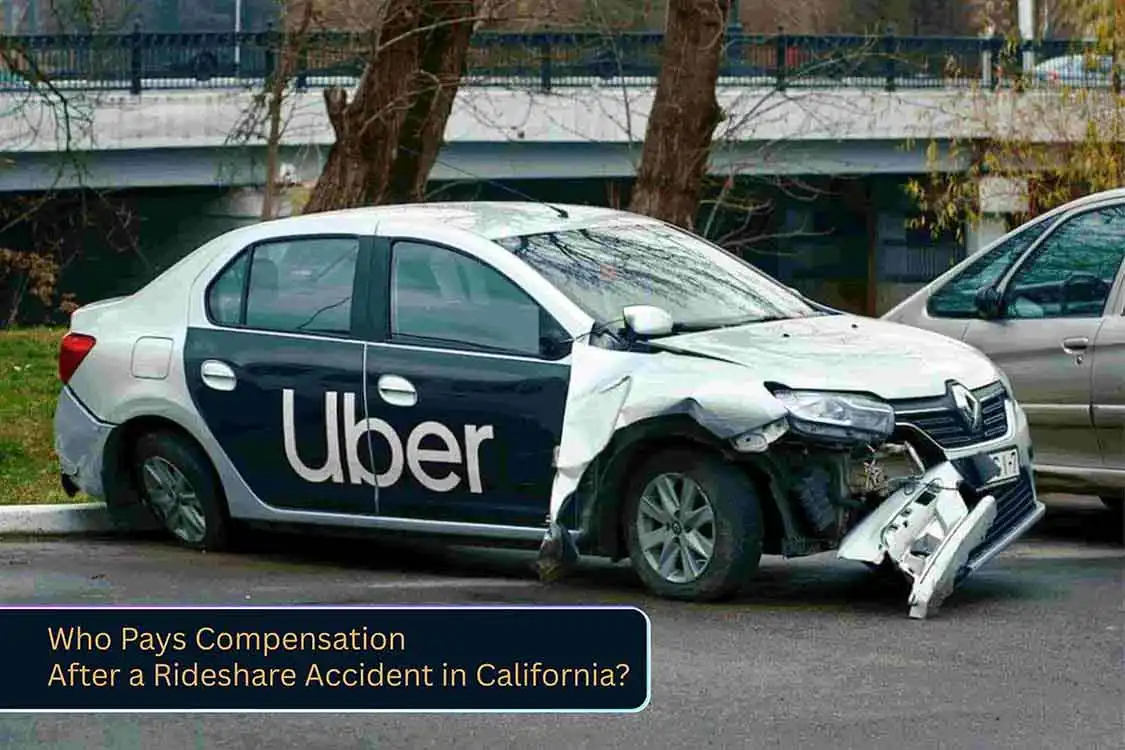
The issue of rideshare accident compensation is much more complex than a regular car accident. This is because
multiple insurance policies are involved here, and which one applies depends on what the driver's app status was at
the moment of the accident.
So in today's blog, we'll try to find out who pays compensation after a rideshare accident in California, what are the
three periods of rideshare insurance, and what does California law say? If you've taken, or are planning to take, a
rideshare in California, or if such an accident has happened to you, this blog is for you.
The Three Periods of Rideshare Insurance
In California, the three periods of rideshare insurance basically refer to the division of insurance coverage based on
the driver's app status and the state of the ride. In other words, which period the driver is in determines who pays
compensation after an accident and how much they pay. The three periods are discussed in detail below:
When the App Is Off (Period 0)
If an accident occurs in California while a rideshare driver's app is off, compensation is provided entirely by the
driver's Personal Auto Insurance company. In this situation, the rideshare companies have no legal or financial
liability.
The app being off means the driver is not engaged in any commercial activity at that time. He is considered an
ordinary private car driver. If the rideshare driver is at fault for the accident, compensation for the injured person
or the damaged vehicle is paid according to the limits of his personal insurance policy. Rideshare companies consider
this period as Period 0.
However, if the driver hides from his personal insurance company that he works as a rideshare driver, and the company
somehow finds out that the vehicle is frequently used for commercial purposes, they may deny the claim. But if the app
is completely off, personal insurance coverage is generally obligated to pay.
App On, But No Ride Accepted (Period 01)
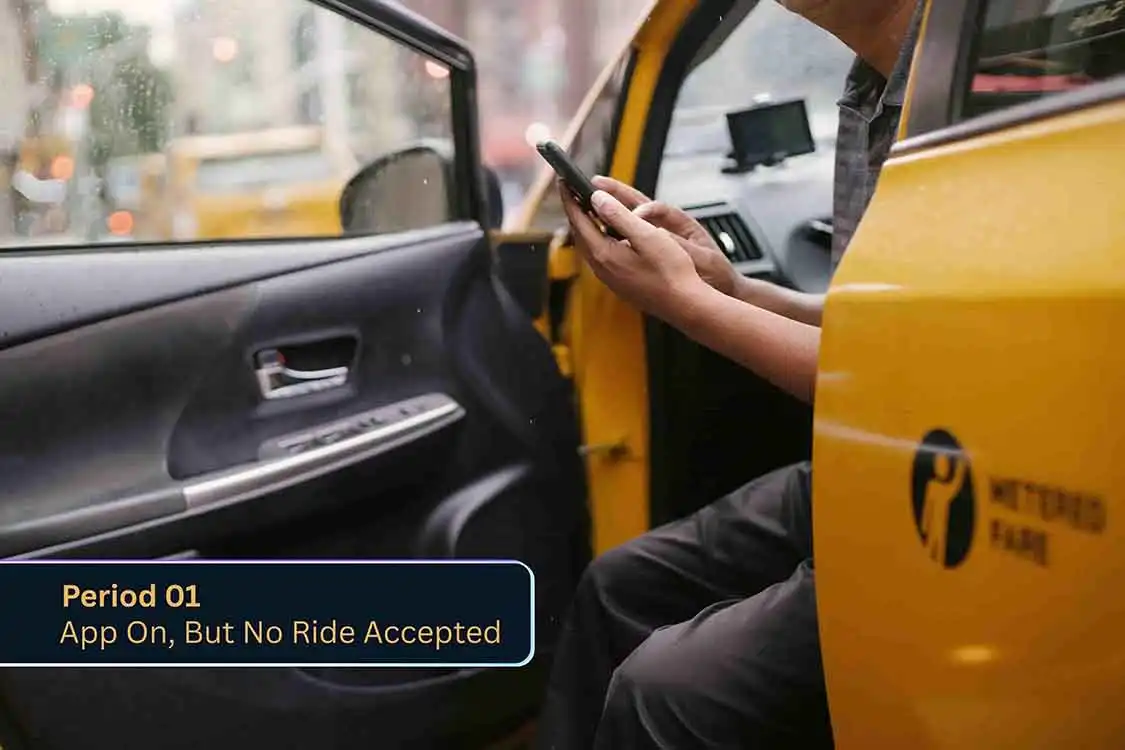
If it's a situation where the driver's app is on but he hasn't accepted a ride, then if an accident occurs in this state, compensation is mainly provided through a combination of the driver's Personal Auto Insurance and the rideshare company's Contingent Liability Coverage. According to California law ( AB 2293 ), the way this specific period's compensation process is coordinated is as follows:
The Driver's Personal Auto Insurance Company
-
In this case, after the accident occurs, a claim must first be filed with the driver's Personal Auto Insurance company.
-
If the driver's policy doesn't have a separate Rideshare Endorsement attached, most personal insurance policies are unwilling to pay compensation for accidents that occur while driving for commercial purposes. If you find yourself in such a situation, quickly consult an experienced lawyer.
The Rideshare Company's Contingent Coverage
If the driver's personal insurance company denies the compensation claim or their coverage limit runs out, then the rideshare company's contingent insurance policy takes effect. According to California rules, rideshare companies pay a maximum of the following amounts in Period 1:
Bodily injury (per person): up to a maximum of $50,000.
Bodily injury (per accident): up to a maximum of $100,000 (if multiple people are injured).
-
Property damage: up to a maximum of $30,000 (for damage to another vehicle or other property on the road).
However, if a driver is waiting to find a passenger, rideshare companies do not provide any Contingent Collision
Coverage in this state. This means that if the rideshare driver is himself responsible for the accident, the rideshare
company will not cover the repair cost for damage to his own vehicle. This cost must be covered entirely out of the
driver's own pocket or through his own special rideshare insurance.
Read More:
-
Injured by an Uninsured Driver in California: Your Rights & Options
-
How Much Compensation Are You Entitled to After a Car Accident in California?
After Accepting a Ride or While a Passenger Is in the Car (Period 2 and 3)
If an accident occurs in California while a passenger is in a rideshare driver's car, compensation is mainly provided
from the rideshare company's own $1 million commercial insurance policy.
In this state, the driver's personal insurance is not needed at all, because the rideshare company's corporate
insurance acts as primary during this time. According to California law, the compensation process for this period is
as follows:
Third-Party Liability Coverage
If the rideshare driver is responsible for the accident, the affected persons will receive compensation from this $1 million fund. Those who can claim compensation under this coverage include:
The rideshare passenger in the car.
The driver and passengers of the other vehicle who were victims of the accident.
Any injured pedestrian or cyclist.
Uninsured/Underinsured Motorist Coverage (UM/UIM)
If the accident occurs due to the fault of another vehicle's driver, and that driver has no insurance or has a very
low insurance limit, then compensation of up to $60,000 per person is paid from the rideshare company's policy. This
protects both the rideshare driver and passenger in the car.
Damage to the Driver's Own Vehicle (Collision & Comprehensive)
If the rideshare driver's own vehicle is damaged during the time from accepting the ride until dropping off the passenger, the company will cover the repair cost. However, there are two conditions for this:
The driver's own personal insurance policy must have collision coverage.
The driver must pay a certain deductible or their own share.
The Major Change of 2026: SB 371 Law
In October 2025, California's governor signed a new law,
Senate Bill 371 (SB 371)
, which took effect on January 1, 2026. This law has brought a significant change to an important part of rideshare
insurance.

Previously, even if the driver of the car that hit you had no insurance at all, you could still claim compensation
from the rideshare company's own $1 million UM/UIM coverage. But after the new law, this coverage has been reduced to
only $60,000 per person and a maximum of $300,000 per accident. In other words, this protection has been reduced by
about 94 percent.
However, if the rideshare driver himself is responsible for the accident, that previous $1 million third-party
liability coverage remains unchanged. This protection has only been reduced in the case where someone else hits you
and that driver has no insurance.
In simple terms:
If the rideshare driver is at fault: $1 million coverage (same as before)
If another driver is at fault and has no insurance: now only $60,000, which was previously $1 million
Why This Change?
California has one of the highest numbers of uninsured drivers in the United States. So the event of an uninsured car
coming and hitting you is not rare at all. In cases of serious injuries like spinal injury, serious head injury, or
long-term hospitalization, the new $60,000 limit can be much lower than the actual medical costs.
For this reason, identifying every possible level of coverage after an accident has become so important. Such as your own ‘health insurance’, your car's ‘MedPay coverage’, the at-fault party's personal policy, and ‘UM/UIM coverage’ where applicable.
Conclusion
The matter of rideshare accident compensation is now somewhat more complex than before, especially after the new 2026 law. Who is at fault, which period the driver was in at the time, and which insurance policy applies, all of this combined makes it difficult for an ordinary person to fight alone. So in such situations, it is best to work with the advice of an experienced lawyer. Always stay careful, and try to avoid anything that could lead to an accident. Even so, if an accident does happen, don't just sit still, take quick action. Remember, knowing the right information quickly after an accident and preserving evidence is your biggest tool for getting your fair compensation.